 简体中文
简体中文

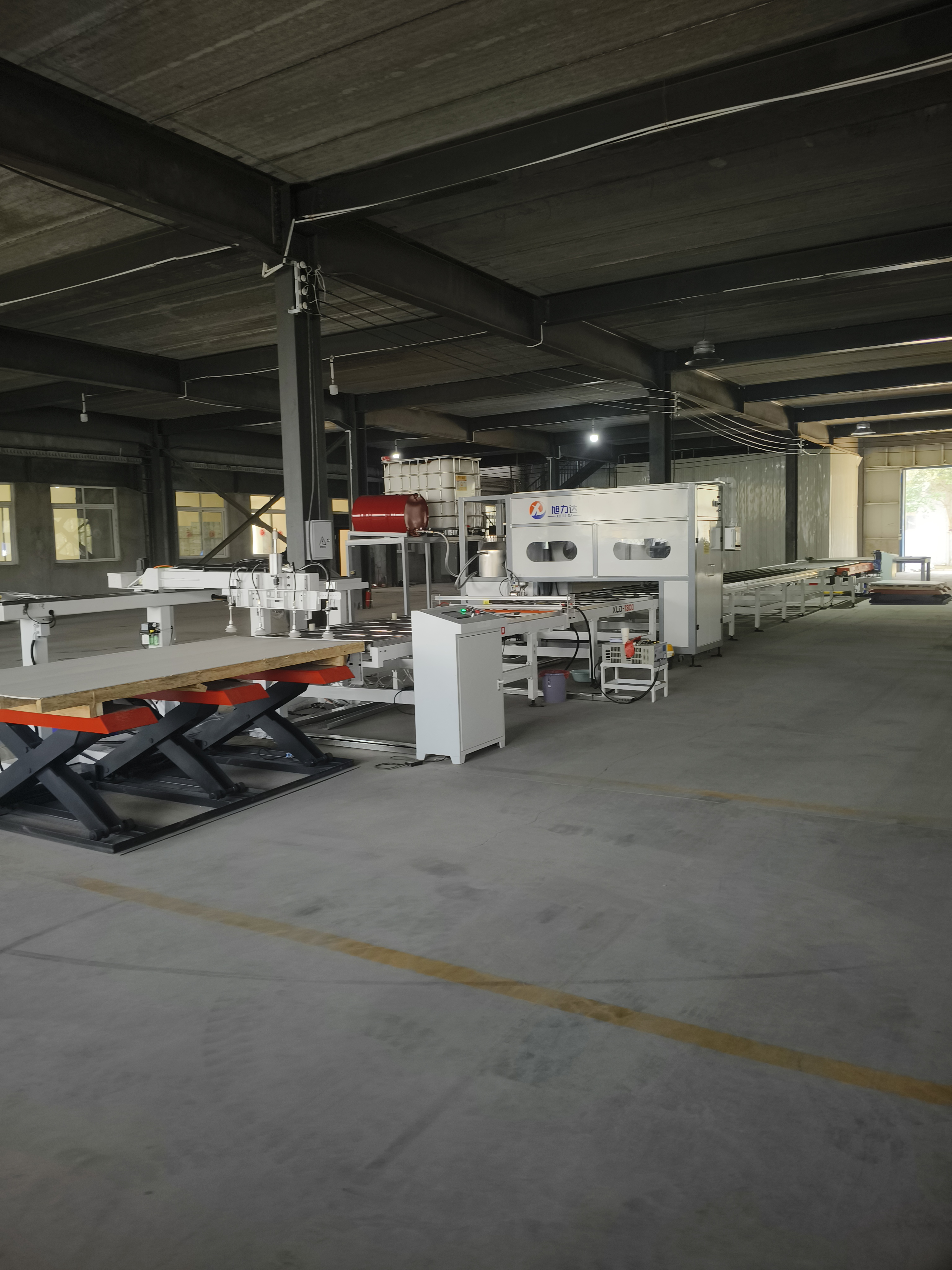
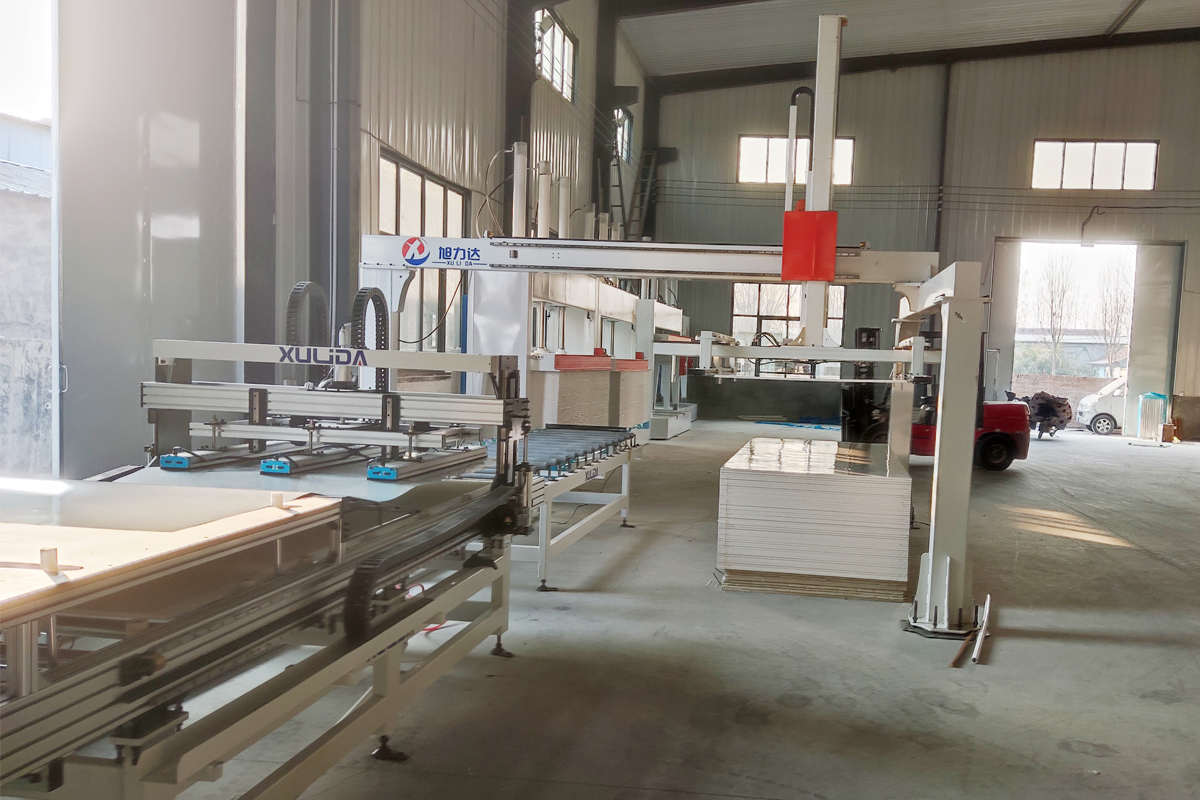
What are the advantages of a fully automatic composite production line?
1. Quality Stability and Consistency
Manual painting is highly susceptible to fluctuations in operator mood, fatigue, and technique, often leading to uneven film thickness, runs, or missed areas. Automated systems leverage robotic trajectory control and closed-loop flow regulation to manage film thickness within micrometer-level tolerances. This ensures that key metrics—gloss, color accuracy, and adhesion—remain highly consistent across every workpiece, especially on complex curved surfaces, significantly reducing rework rates.
2. Production Efficiency and Utilization
Automatic lines typically use skid or overhead conveyor systems combined with wet-on-wet processes, eliminating the waiting time associated with manual transfers. Robots can operate 24/7 with application speeds far exceeding those of skilled workers. Additionally, program-controlled zero-gap color change functionality minimizes material and time losses traditionally incurred during color transitions.
3. Optimization of Paint and Energy Costs
Automation offers significant advantages in cost control. Technologies such as electrostatic rotary bells, paired with optimized robotic path planning, can increase paint transfer efficiency from 40–50% in manual operations to over 70%. By precisely controlling oven temperature zones and conveyor speeds, energy waste from overheating or idle running is minimized. Automated cleaning systems also reduce solvent consumption, leading to substantial reductions in total manufacturing costs over time.
4. Operational Safety and Environmental Compliance
Fully automatic lines fundamentally isolate workers from hazardous chemical environments. Enclosed spray booths with negative pressure design, combined with emission control systems like zeolite rotor concentrators, effectively capture volatile organic compounds (VOCs) to ensure compliant emissions. In scenarios involving flammable materials such as primers and topcoats, the use of explosion-proof robots and inert gas protection eliminates the safety risks inherent to traditional lines.
5. Digital Management and Flexible Production
Fully automatic lines provide a robust foundation for digital transformation. When integrated with a Manufacturing Execution System (MES) and Radio Frequency Identification (RFID) technology, these lines enable true mixed-model production—allowing for color or model changes without stopping the line, operating on a "one workpiece, one program" basis. The system also captures real-time data on paint consumption and energy usage, providing quantifiable metrics for ongoing process optimization.
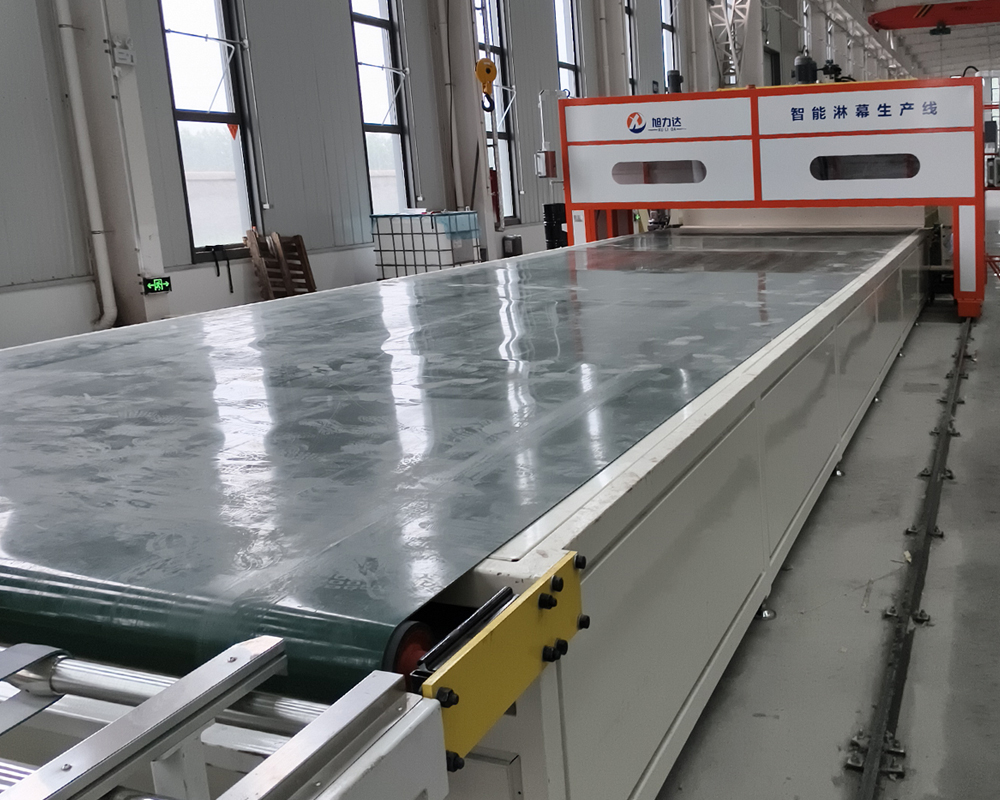 What is a curtain coating machine?
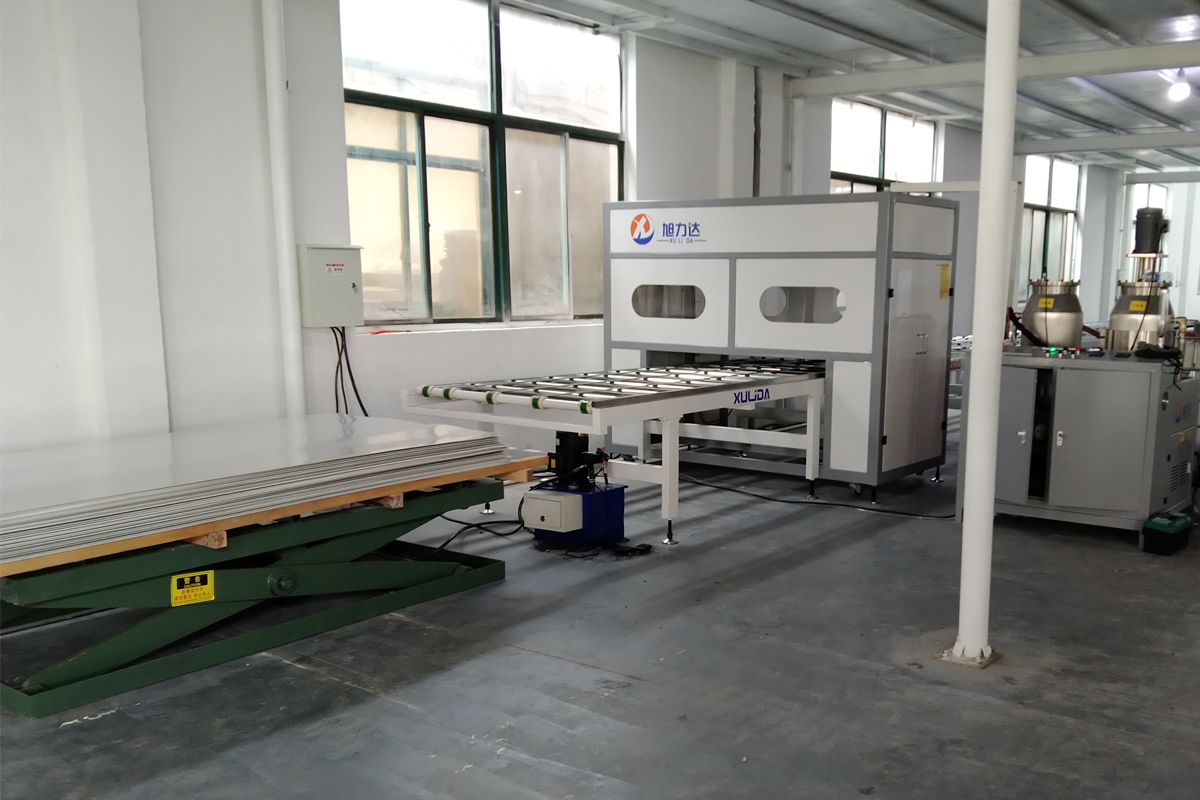 For which industries is the fully automatic glue-pouring mac
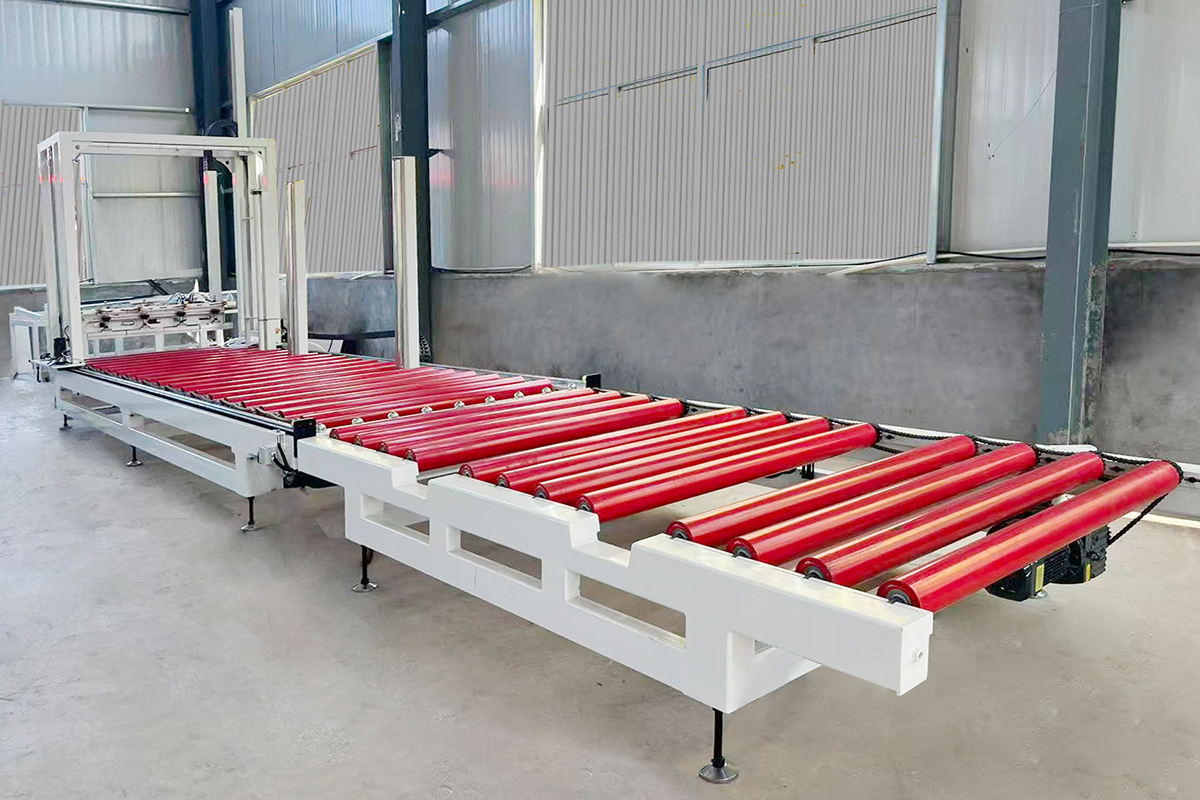 Comprehensive Overview of Adhesive Lamination Equipment (Pro
 What is a composite panel production line?