 简体中文
简体中文

Advantages of SPC-Wood Composite Materials
I. Equipment and Manufacturing Process for SPC-Wood Composites
The composite technology of Stone Plastic Composite (SPC) and wood combines the stability of SPC with the decorative appeal of wood. The core production process includes **substrate preparation, lamination, and surface treatment**, with the following key equipment and techniques:
1. Key Production Equipment
1. SPC Substrate Production Line
Mixing System: High-speed mixer for blending stone powder, PVC resin, stabilizers, etc.
Extruder: Twin-screw extruder for melting and shaping the mixture into SPC sheets.
Calendering/Calibrating Machine: Ensures uniform thickness and smooth surface.
2. Wood Veneer Processing Equipment
Veneer Cutting Machine: Cuts real wood veneer or decorative wood-grain layers.
UV Coating Machine (Optional): Applies UV-cured coatings for enhanced wear resistance.
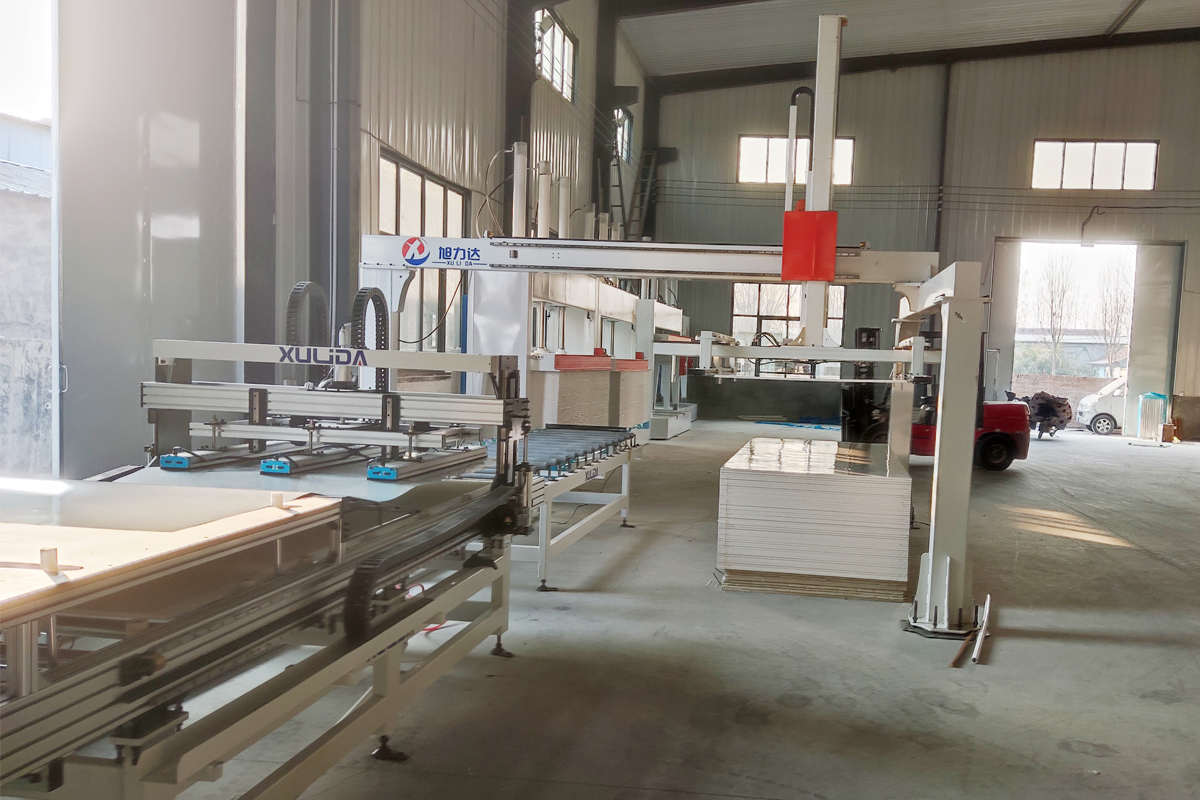
3. Lamination Equipment
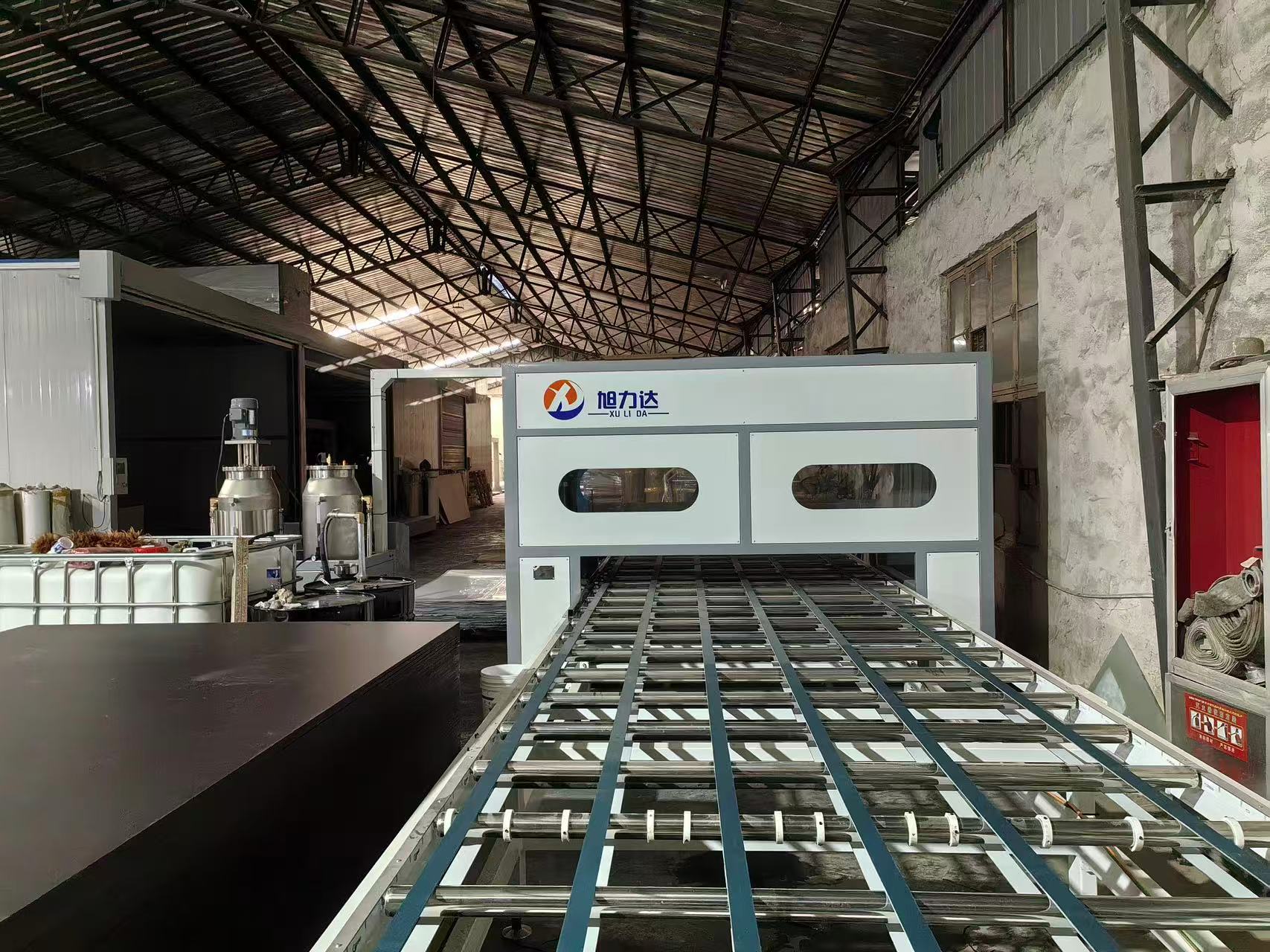
Hot Press Machine: Uses hot-melt or PU adhesive to bond SPC with wood veneer under high temperature and pressure.
Cold Press Machine (Optional): Suitable for low-temperature lamination (e.g., thin wood veneers).
Roll Press Machine: Continuous lamination for large-scale production.
4. Post-Processing Equipment
CNC Cutting Machine: Precision cutting of composite panels.
Surface Treatment Equipment: UV curing, embossing, or texture enhancement for wood-like aesthetics.
2. Key Process Steps
1. SPC Substrate Preparation
Raw material mixing → High-temperature extrusion → Calendering → Cooling → Edge trimming
2. Lamination Process
Hot Press Lamination (Primary Method):
Adhesive application (e.g., PUR hot-melt glue) → Wood veneer bonding → High-pressure pressing (120-180°C) → Cooling
Cold Press Lamination (For Thin Veneers):
Uses eco-friendly adhesives (e.g., water-based PU glue) → Room-temperature pressing
Wood Grain Enhancement**: Digital printing, thermal transfer, or real wood veneer with protective coatings (e.g., UV layer).
Embossing**: Synchronized embossing for a tactile wood-like texture.
II. Development Prospects of SPC-Wood Composites
1. Market Drivers
Eco-Friendly Demand: Low formaldehyde (ENF-grade), recyclable, replacing traditional laminate/wood flooring.
Performance Benefits: Combines SPC’s waterproof stability with wood’s natural aesthetics, ideal for underfloor heating and commercial spaces.
Policy Support: Green building regulations (e.g., China’s "Dual Carbon" goals, EU CE certification) boost adoption.
2. Technological Trends
Lightweight & High Strength: Nano-modified SPC (e.g., carbon fiber-reinforced) improves durability.
Smart Surface Treatments:
Antibacterial/Viral Coatings (e.g., silver ion tech) for healthcare/education sectors.
Self-Healing Coatings: Micro-scratch repair for extended lifespan.
Green Adhesives: Water-based/bio-based glues (e.g., soy adhesive) replace solvent-based options.
3. Expanding Applications
Wall panels (alternative to wood cladding), custom furniture (cabinets, countertops).
Outdoor flooring (SPC + weather-resistant wood for patios/balconies).
Automotive/Marine Interiors: Lightweight wood-grain SPC panels.
4. Challenges & Solutions
Cost Competition: SPC is cheaper than solid wood, but premium veneers (e.g., walnut) increase costs—optimize supply chains.
Consumer Perception: Educate buyers via comparative testing to highlight composite advantages over solid wood.
III. Conclusion
SPC-wood composites, driven by smart manufacturing (automated presses) and material innovation (eco-friendly adhesives, high-performance substrates), hold strong potential ingreen construction, premium interiors, and commercial projects. Companies that excel incost efficiency and ultra-realistic wood aesthetics will lead the market.
 What is a curtain coating machine?
 For which industries is the fully automatic glue-pouring mac
 Comprehensive Overview of Adhesive Lamination Equipment (Pro
 What is a composite panel production line?