 简体中文
简体中文

How much labor can a fully automatic panel composite production line actually save?
Fully automatic panel composite production lines significantly reduce reliance on manual labor through highly integrated automated equipment. The labor-saving effects are primarily reflected in the following aspects:
1. "Unmanned" Replacement of Core Processes
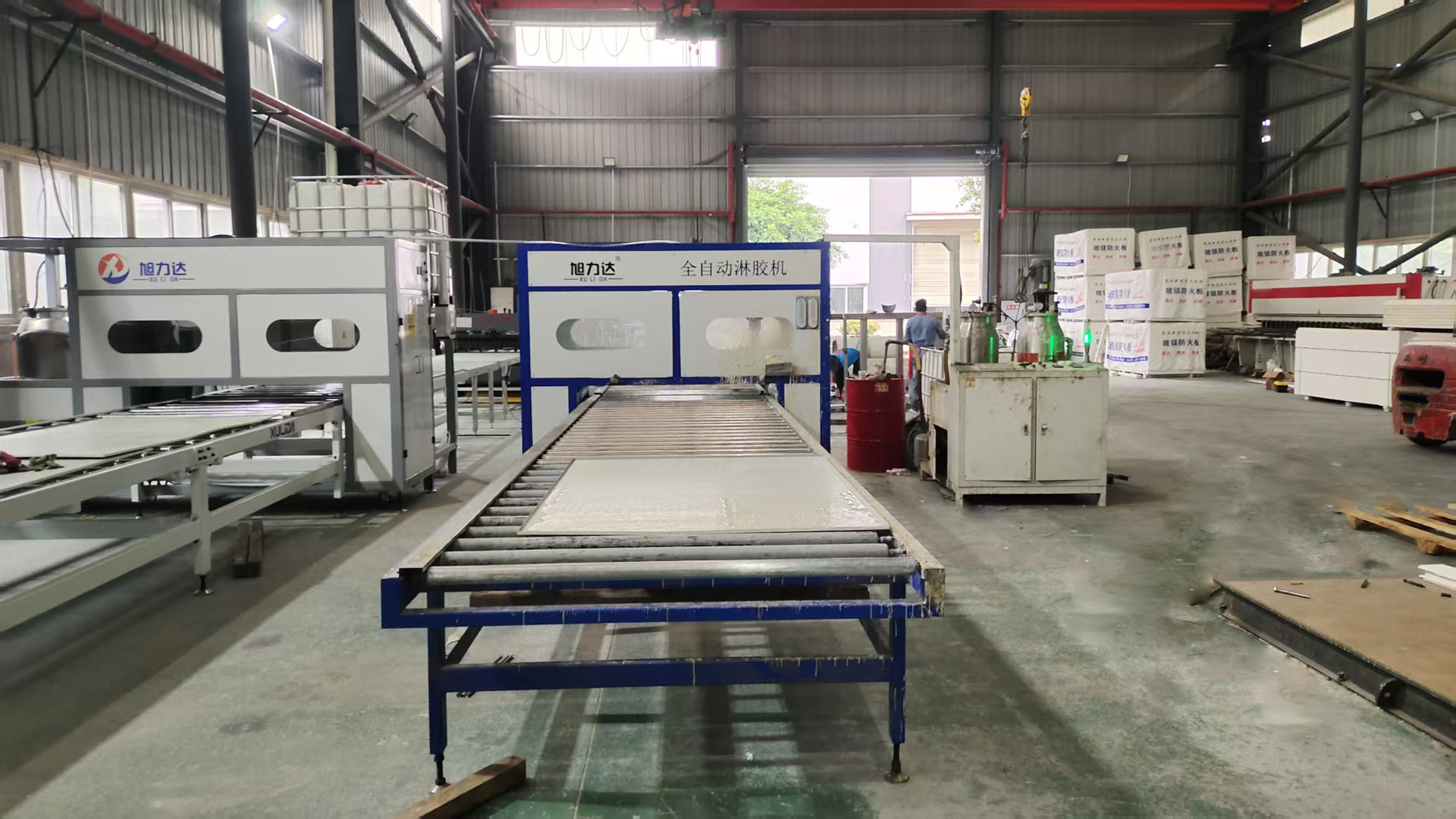
Traditional panel compositing requires multiple workers for material feeding, glue application, layup, hot pressing, edge trimming, sorting, and other tasks. In contrast, fully automatic production lines integrate these processes into a continuous workflow:
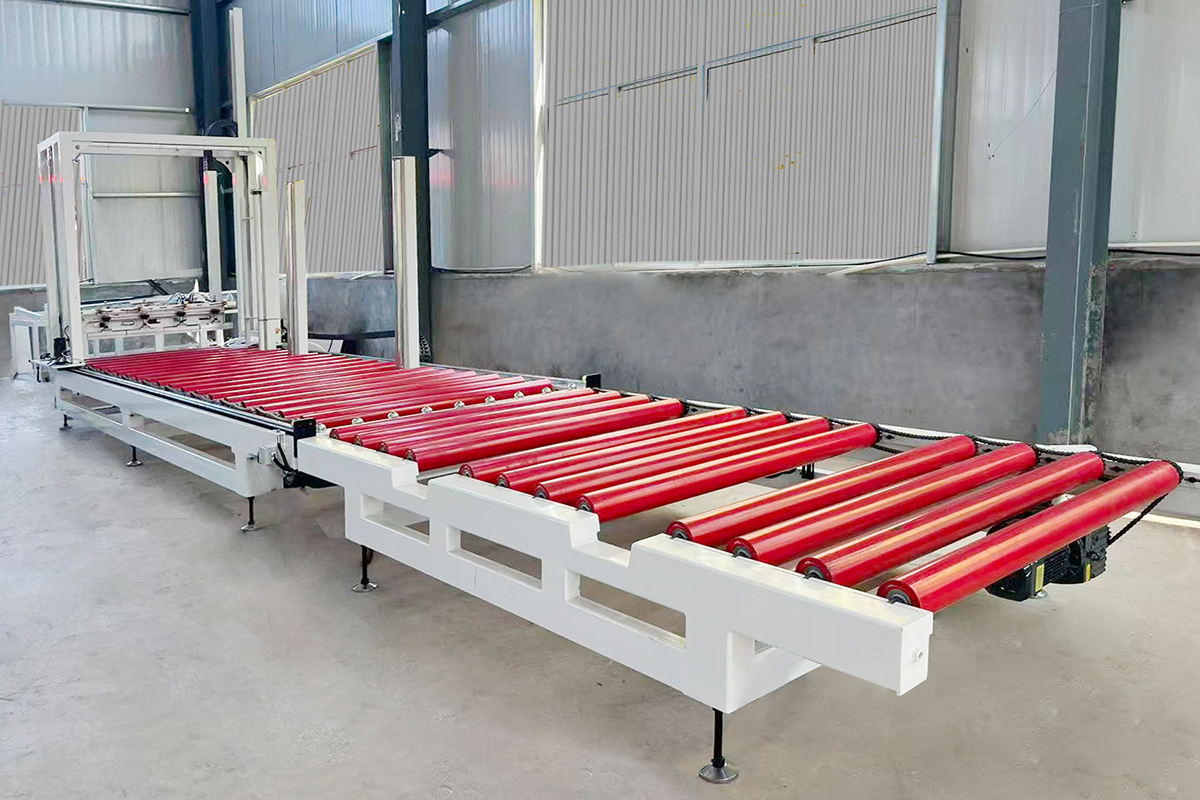
Material Handling**: Automatic feeders and conveyor belts replace manual transportation, saving 2–3 laborers.
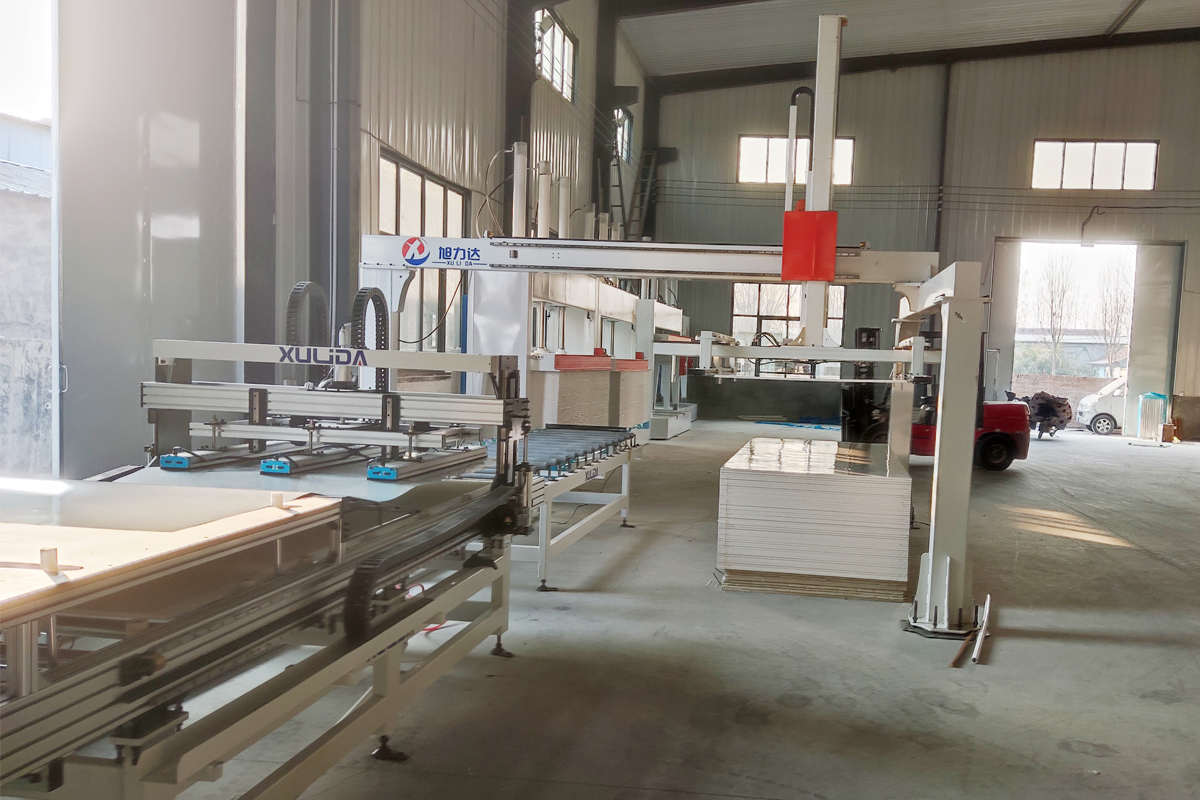
Glue Application and Layup**: Precision robotic arms ensure even adhesive distribution and accurate layer stacking, replacing 3–4 operators.
Hot Pressing and Curing**: Intelligent temperature control and conveying systems enable unattended operation, reducing 2 monitoring personnel.
Post-Processing**: Automatic cutting, sanding, and sorting equipment replace 3–4 workers in traditional finishing tasks.
2. Indirect Improvement in Labor Efficiency
Automated Quality Inspection: Visual inspection systems monitor panel defects in real time, replacing manual sampling and reducing 1–2 quality inspectors.
Intelligent Production Scheduling: Central control systems optimize production planning automatically, lowering the coordination workload for dispatchers.
Integrated Warehousing and Logistics: Some production lines can connect to automated storage systems, further reducing material management personnel.
3. Comprehensive Benefit Analysis
A traditional medium-scale production line typically requires 12–18 operators, whereas a fully automatic line needs only 2–4 technicians for monitoring, maintenance, and troubleshooting. This represents a direct reduction of approximately 70%–85% in manual labor. Moreover, automated equipment can operate continuously 24/7 without shift rotations, leading to even more significant labor cost savings for the same output capacity.
4. Value Beyond Numbers
Labor savings extend beyond mere headcount reduction:
Reduced Dependence on Manual Labor: Mitigates risks from recruitment difficulties and staff turnover, ensuring production stability.
Enhanced Operational Safety: Machinery handles high-risk tasks, eliminating workplace injury risks.
Consistent Quality Assurance: Eliminates human operational errors, increasing product qualification rates by 5%–15%.
Improved Production Flexibility: Adjustments to order fluctuations can be made through parameter changes without frequent labor restructuring.
Important Considerations for Implementation
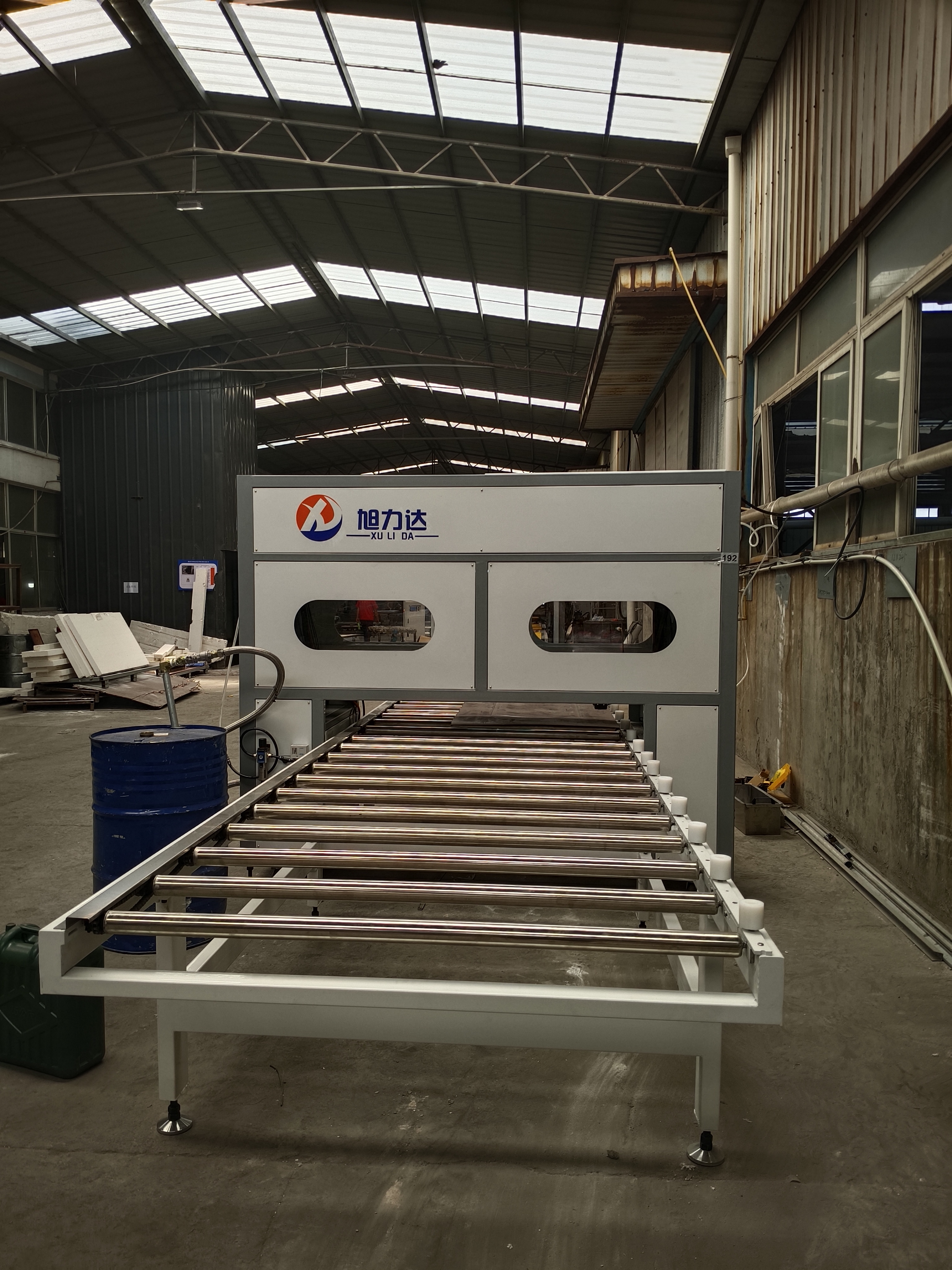
The labor-saving impact of automation depends on the production scale and technological maturity. Small and medium-sized enterprises must balance equipment investment against the payback period. Additionally, skilled roles such as maintenance and programming remain essential, aiming for "labor reduction and efficiency improvement" rather than complete "unmanned" operation.
In summary, fully automatic panel composite production lines represent not just a replacement of manual labor but a transformation of production models. By systematically optimizing processes, they shift human resources from repetitive tasks to higher-value roles such as equipment maintenance and process optimization, ultimately enhancing both production efficiency and competitive advantage.
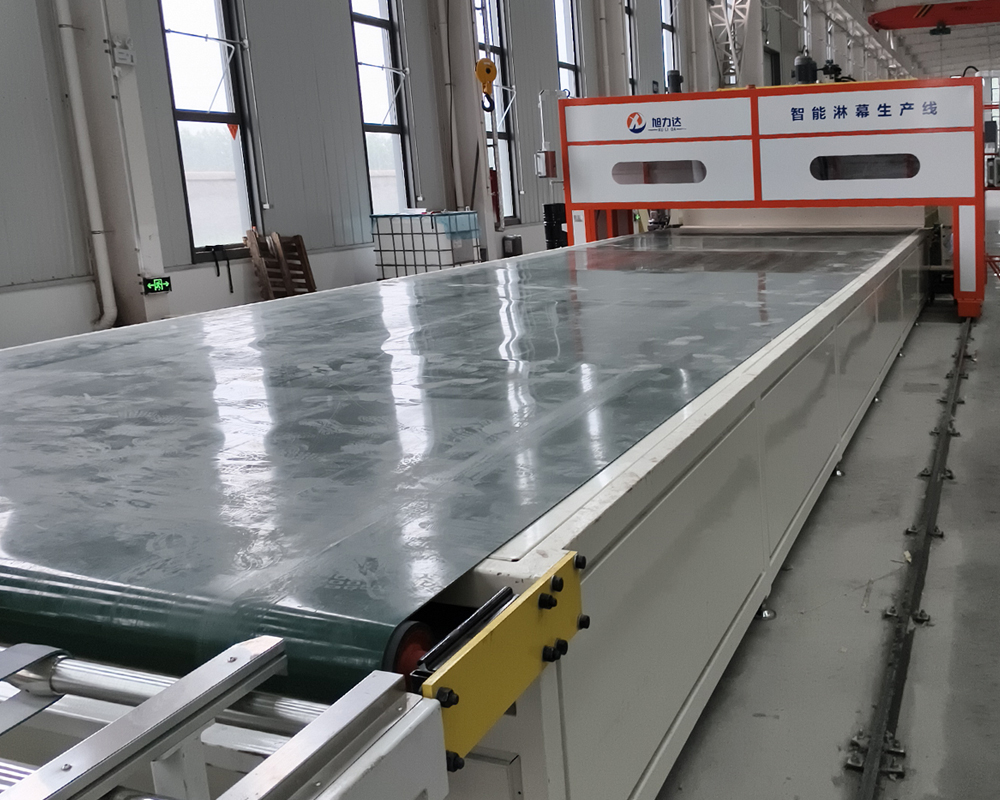 What is a curtain coating machine?
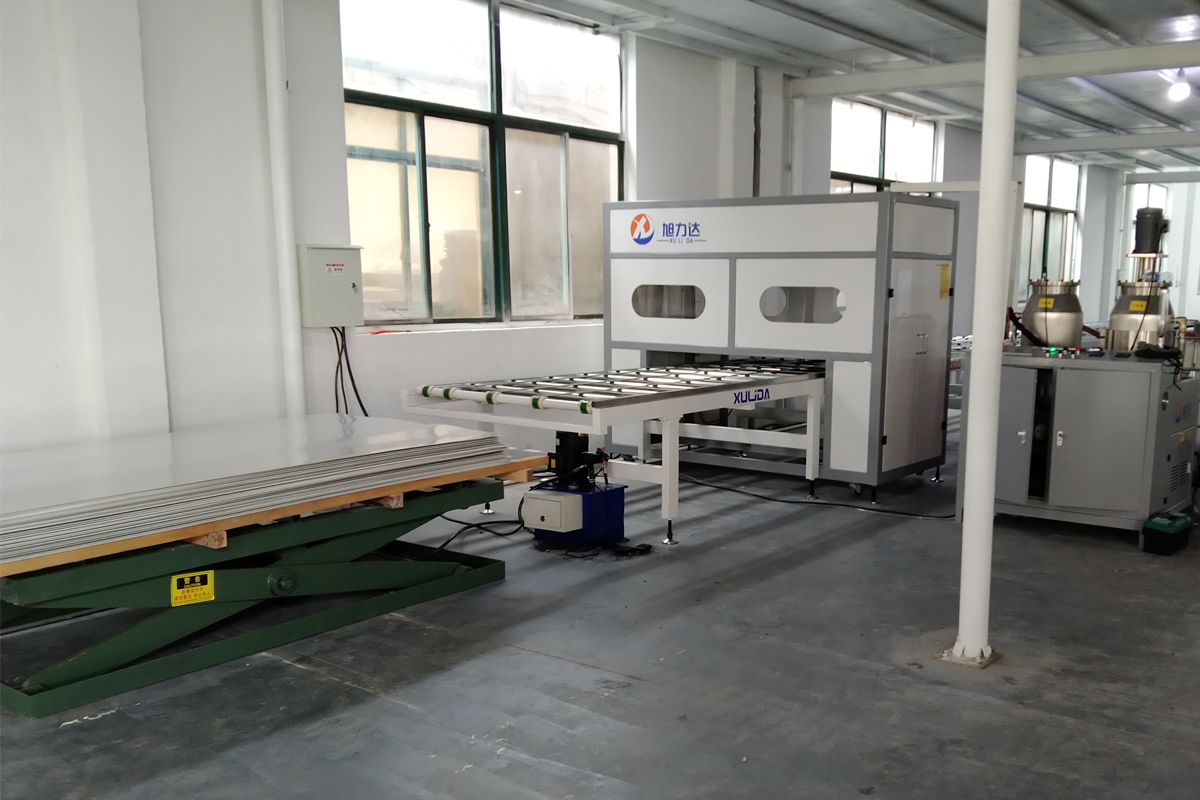 For which industries is the fully automatic glue-pouring mac
 Comprehensive Overview of Adhesive Lamination Equipment (Pro
 What is a composite panel production line?