 简体中文
简体中文

What are the advantages of fully automatic glue pouring and laminating production lines?
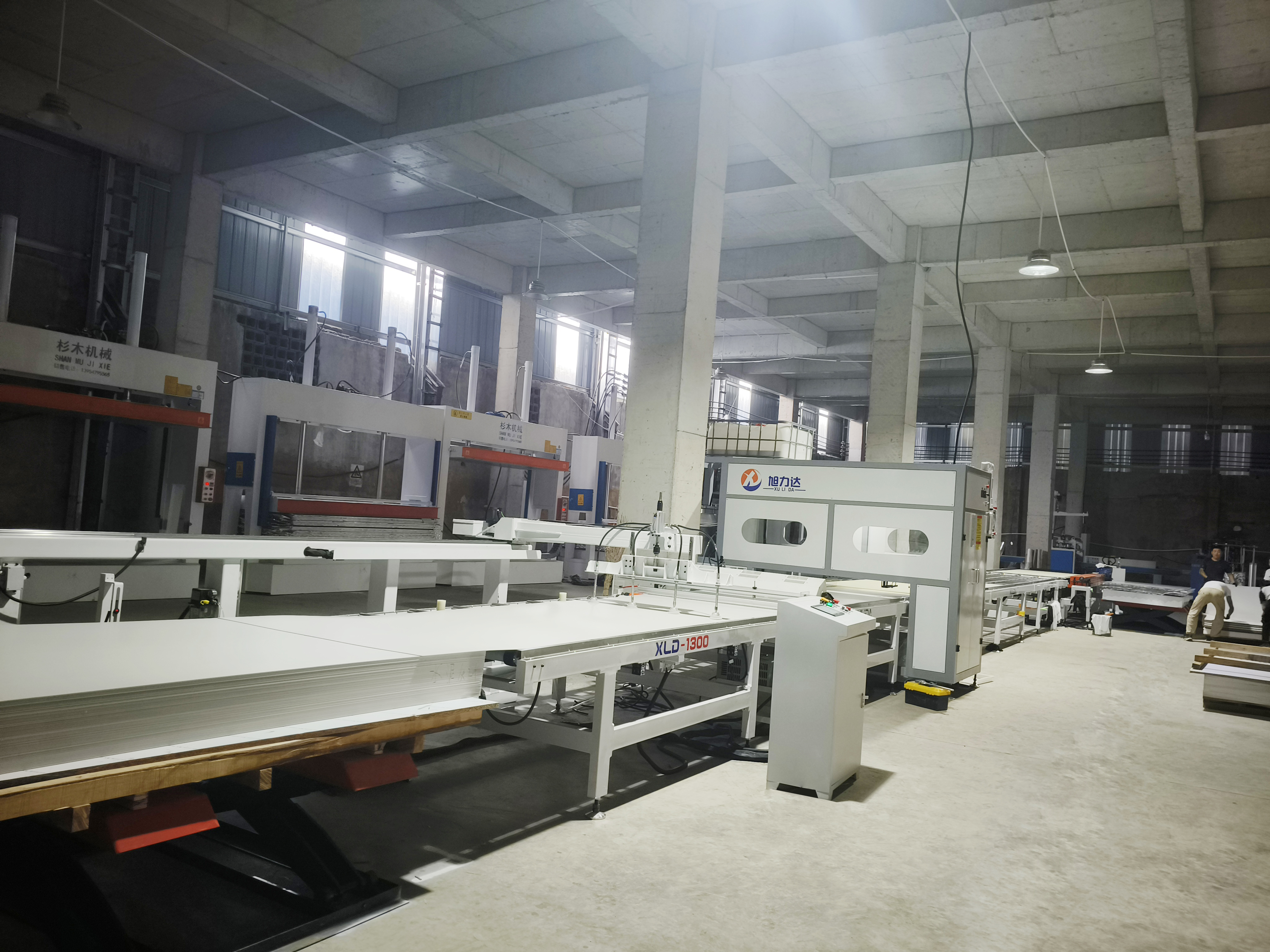
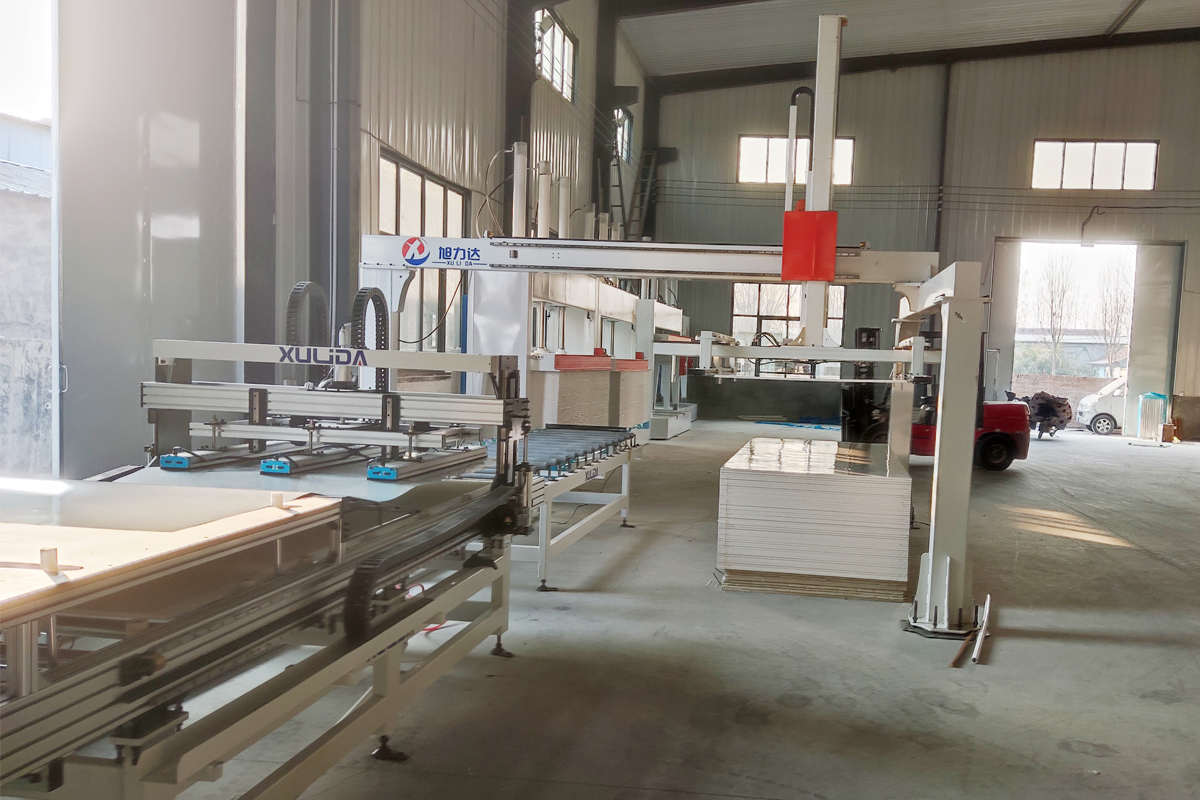
Fully automatic glue pouring and laminating production lines represent a key technology in modern industrial production. They integrate multiple processes, such as feeding, glue pouring, material unloading, and pressing, into a continuous automated system. Compared to traditional manual or semi-automatic laminating methods, their advantages are comprehensive and primarily reflected in the following aspects:
1. Leap in Production Efficiency
The production line enables uninterrupted continuous operation, with production speeds far surpassing manual capabilities, typically reaching tens or even hundreds of meters per minute. At the same time, the equipment can operate 24/7 without interruption, significantly enhancing production capacity and order fulfillment capabilities. When switching product specifications, parameters such as glue volume, speed, and temperature can be quickly adjusted via the central control system, allowing for rapid changeovers and substantially reducing downtime. This is particularly suited to flexible production needs for multiple varieties and small to medium batch sizes.
2. Exceptional Stability in Product Quality
This is one of the most critical advantages of automated production lines. Firstly, high-precision metering pumps and glue pouring heads ensure absolute uniformity in adhesive application, maintaining a constant glue volume per unit area and completely eliminating common manual application issues such as uneven thickness, missed spots, or overflow. Secondly, the entire line utilizes PLC or industrial computer-based intelligent control to monitor and adjust key process parameters like laminating pressure in real time through closed-loop regulation. This ensures high consistency in bonding strength, softness, and appearance for every meter of product, significantly improving product yield and eliminating batch-to-batch variations.
3. Effective Reduction in Production Costs
Automation delivers significant cost-saving benefits. In terms of direct costs, precise metering minimizes adhesive waste, which is particularly cost-effective when using higher-priced adhesives such as water-based glues. Regarding indirect costs, a fully equipped production line typically requires only 1–2 operators for monitoring, loading, and unloading, greatly reducing dependence on skilled labor and lowering both labor and management costs. Additionally, efficient drying systems and heat recovery designs reduce energy consumption per unit of product.
4. Process Flexibility and Broad Material Adaptability
Modern fully automated production lines are designed for flexibility and exhibit strong compatibility. They can adapt to various types of adhesives and handle laminating tasks involving a wide range of substrates, from soft textile fabrics and knitted foams to leather, plastic films, metal foils, and non-woven materials. Whether for single-side adhesive application, double-side lamination, or sandwich-style three-layer lamination, these lines are fully capable.

5. Intelligent Management and Sustainable Development
Fully automated production lines are integral to smart manufacturing. Their control systems can comprehensively record all production parameters, enabling full-process traceability of products and providing a data foundation for quality analysis and process optimization. Some advanced models also incorporate features such as online visual inspection, fault diagnosis, and predictive maintenance, further enhancing the level of intelligent management. In the long term, this highly efficient, precise, and low-consumption production approach is, in itself, a critical pathway for enterprises to achieve green manufacturing and sustainable development.
In summary, investing in a fully automatic glue pouring and laminating production line is not merely an upgrade in equipment but a strategic transformation of the entire production model, quality control system, and cost management capabilities. By replacing manual labor with machinery and implementing intelligent control, it ultimately achieves comprehensive leadership across the four dimensions of efficiency, quality, cost, and environmental sustainability, making it a key asset for enterprises seeking to enhance their core competitiveness.
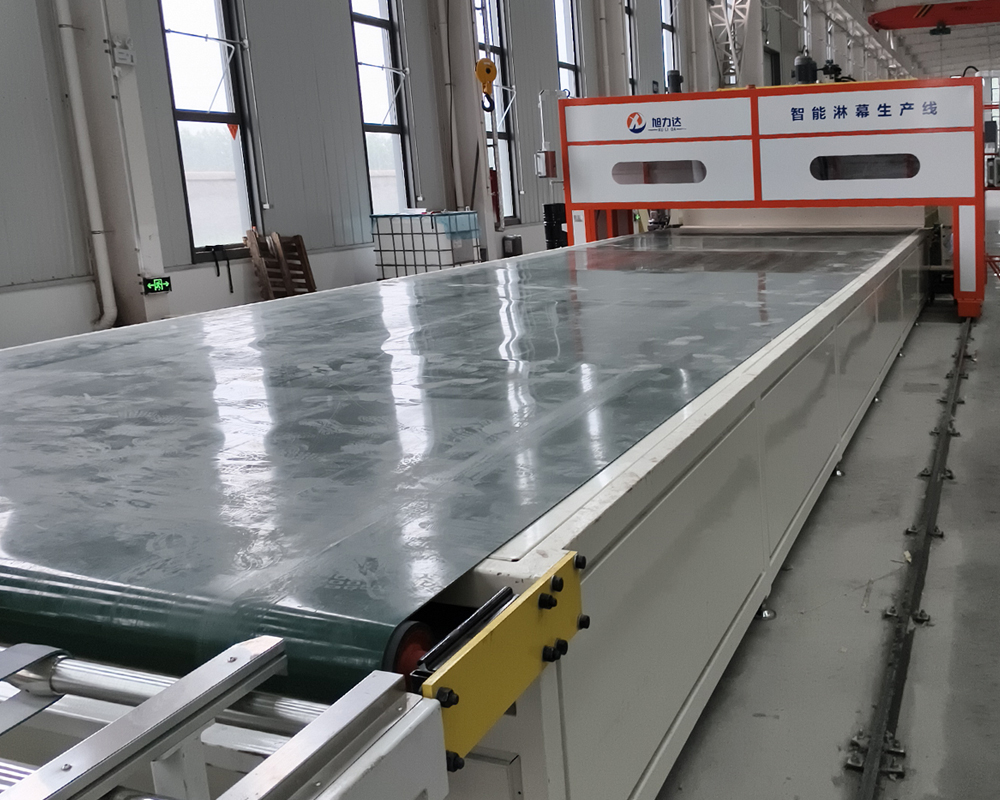 What is a curtain coating machine?
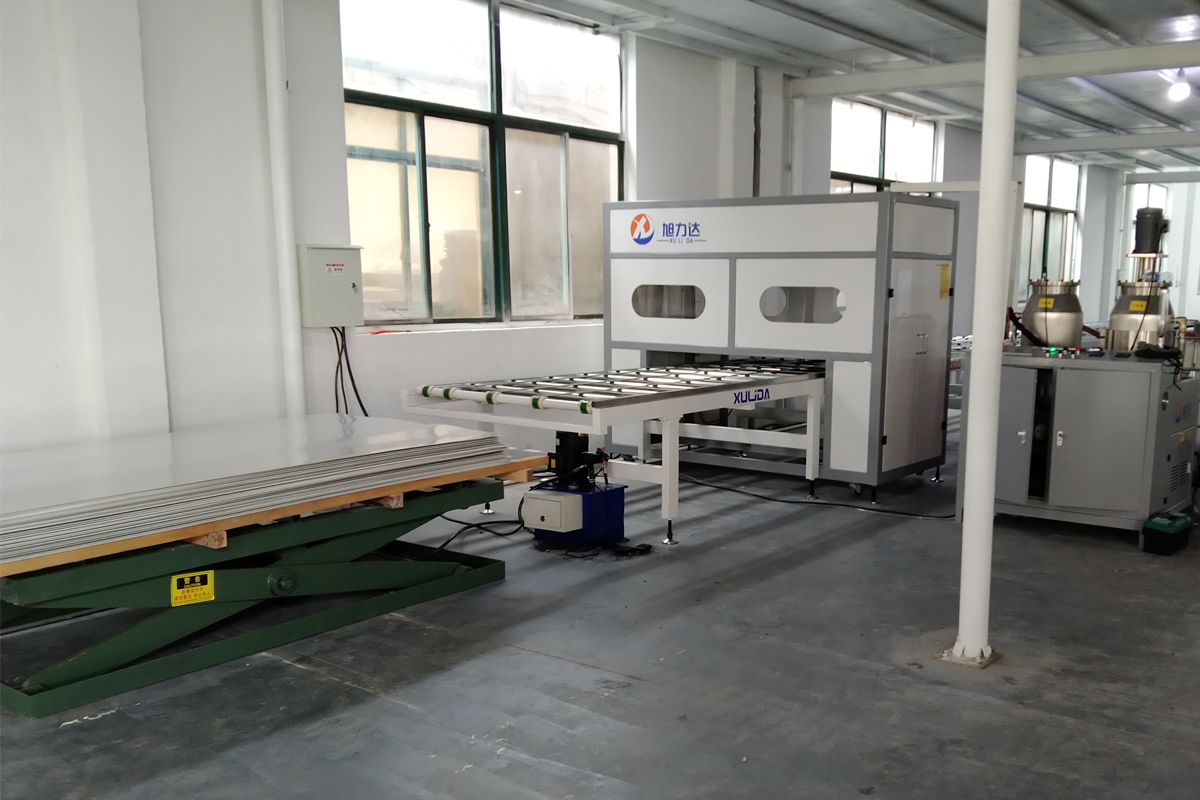 For which industries is the fully automatic glue-pouring mac
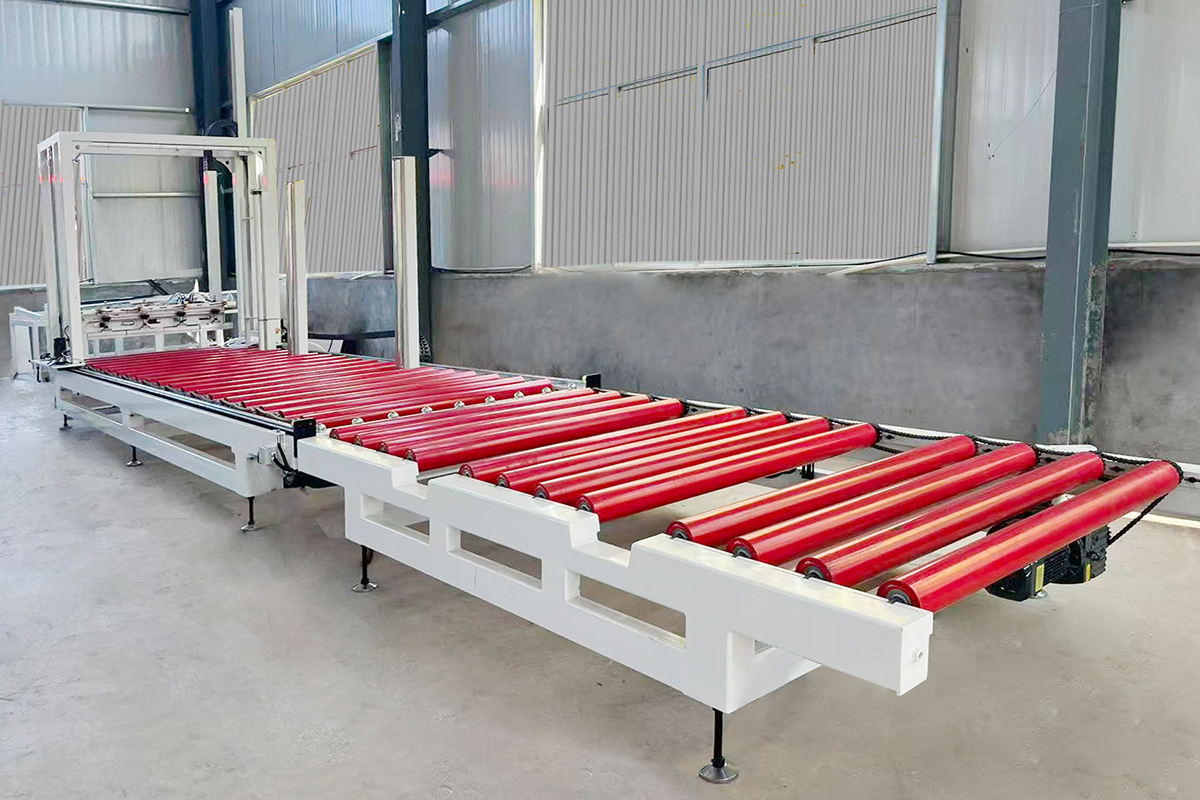 Comprehensive Overview of Adhesive Lamination Equipment (Pro
 What is a composite panel production line?